Building Your Perfect Balanced Plate
Building Your Perfect Balanced Plate
Eating a balanced diet is one of the keys to maintaining good health and well-being. A balanced plate means having the right proportions of macronutrients and micronutrients. Let's explore what a balanced plate looks like and how you can easily create one at each meal.
The Components of a Balanced Plate
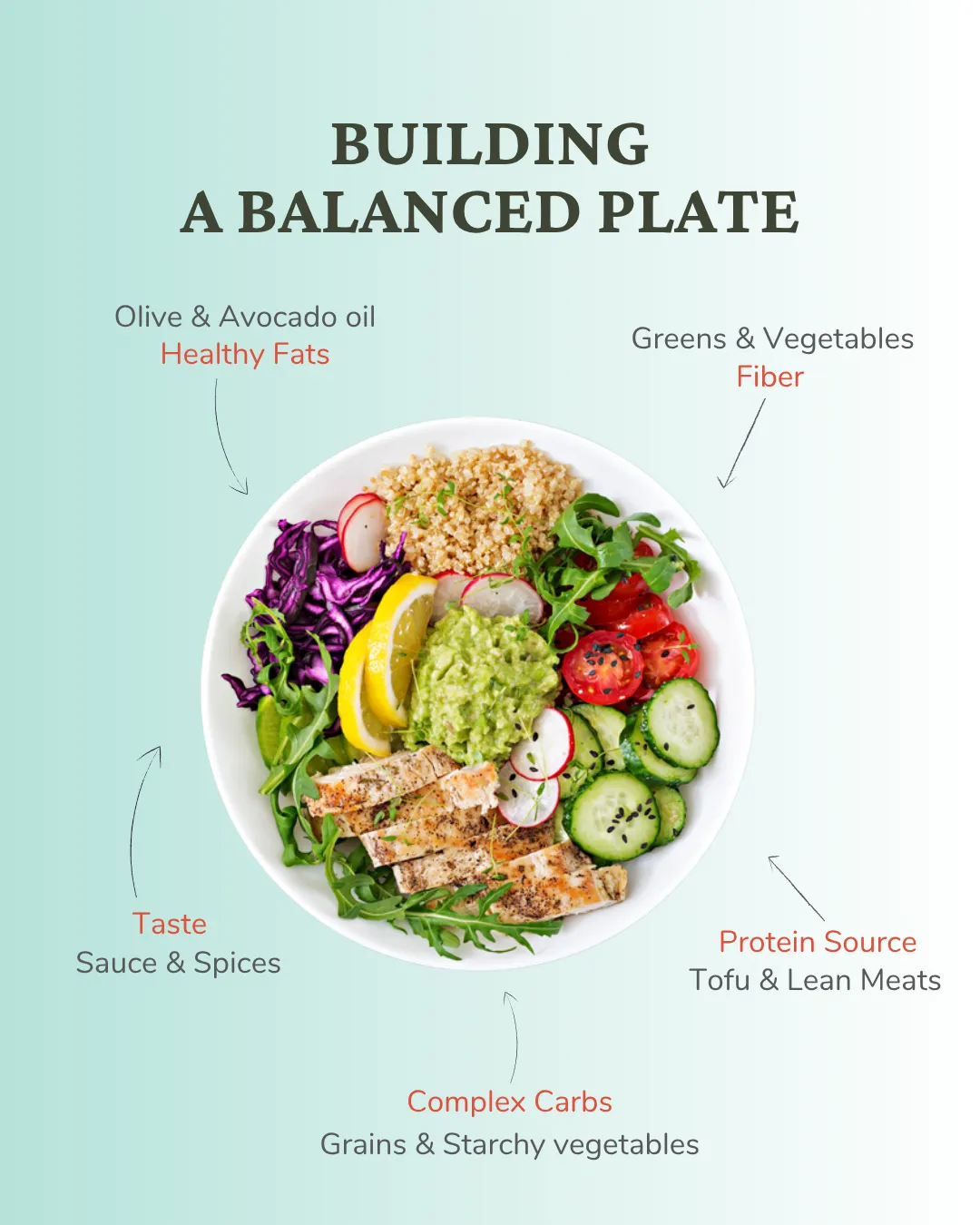
A balanced plate consists of a variety of food groups that offer different nutrients. Here are the main parts to include:
- Healthy Fats: Incorporate healthy fats by using olive or avocado oil. These oils are great for cooking and dressings, providing essential fatty acids and helping with the absorption of vitamins.
- Greens and Vegetables: These are rich in fiber, which is crucial for digestion and maintaining good gut health. Vegetables like spinach, kale, and broccoli should be a staple part of your plate.
- Protein Source: Choose lean meats or plant-based proteins like tofu. Protein helps repair body tissues, and it's a vital component for growth.
- Complex Carbs: Include whole grains and starchy vegetables such as brown rice, quinoa, or sweet potatoes. These provide energy and keep you feeling full longer.
- Taste Enhancers: Add sauces and spices to make your meal delicious. Use herbs, lemon juice, or a splash of soy sauce to enhance flavors without adding extra calories.
Step-by-Step Guide to Building Your Plate
Follow these simple steps to create a nutritious meal:
- Start with the Base: Fill half your plate with greens and colorful vegetables. This ensures you're getting a wide range of nutrients.
- Add Protein: Use about a quarter of the plate for lean proteins. Think grilled chicken, tofu, or fish.
- Add Complex Carbs: Fill another quarter with whole grains or starchy veggies. This balances the plate and maintains energy levels.
- Finish with Healthy Fats: Drizzle a bit of olive oil or sprinkle some nuts or seeds for healthy fats.
- Season to Taste: Use herbs and spices to bring out the flavors of your food naturally.
Why is a Balanced Plate Important?
Creating a balanced plate isn't just about eating a variety of foods—it's about ensuring your body gets the nutrients it needs to function optimally. Here are some benefits:
- Improves Digestion: Fiber from vegetables aids in digestion and helps prevent constipation.
- Supports Healthy Weight: Eating balanced meals helps manage weight by keeping you full and satisfied.
- Boosts Energy Levels: The right combination of carbs and protein keeps you energized throughout the day.
- Enhances Mental Clarity: A nourished brain is able to think more clearly and improve concentration.
- Strengthens Immunity: A variety of nutrients helps bolster your immune system.
Final Tips for a Healthier Lifestyle
To maintain a balanced diet:
- Plan Ahead: Think about your meals ahead of time to ensure you have all necessary ingredients on hand.
- Stay Hydrated: Drink plenty of water throughout the day to support all body functions.
- Listen to Your Body: Eat when you are hungry and stop when you are full.
- Enjoy Your Meals: Make eating a mindful experience by savoring each bite. This helps improve digestion and satisfaction.
Building a balanced plate is simple and rewarding. It ensures you get all the necessary nutrients you need to lead a healthier lifestyle. Start today by making small changes that make a big impact on your health and well-being.